Loading...
Blog
Insights, updates, and deep dives into cybersecurity, cloud technology, and AI innovation.

news
Apr 10, 2024
Cybercriminals Weigh Options for Using LLMs: Buy, Build, or Break?
Cybercriminals are looking for ways to integrate large language models (LLMs) into their attacks, and they have three main options: trying to bypass the safeguards on existing LLMs, building their own LLMs, or using uncensored open-source models.
1 min

news
Apr 8, 2024
Google Updates Chrome to Patch Zero-Day Flaw Exposed at Pwn2Own
In a proactive measure to enhance user security, Google has announced an update to its Chrome browser, effectively patching a series of vulnerabilities, including the zero-day flaw CVE-2024-3159, unveiled at the Pwn2Own hacking contest in March 2024.
2 min

news
Mar 27, 2024
How companies describe cyber incidents in SEC filings
It’s been three months since the Securities and Exchange Commission’s cyber disclosure rules took effect and rather than creating a deluge of incident revelations, only a trickle has emerged.
2 min

news
Mar 25, 2024
A third of web attacks targeted APIs in 2023, threatening the expanding API economy
APIs were the target of 29% of web attacks in 2023, with cybercriminals exploiting the swiftly growing API economy for new avenues of attack, according to a report from Akamai.
2 min

news
Mar 21, 2024
Financial services sees sharp increase in DDoS attacks as geopolitical tensions rise
DDoS attacks against the financial services sector historically accounted for about 10-15% of all attacks, however that trend began to rise in 2021, the FS-ISAC and Akamai found.
1 min

news
Mar 20, 2024
An Overview of the NIST Cybersecurity Framework 2.0
The NIST Cybersecurity Framework (CSF) 2.0, an evolution of its predecessor, is a comprehensive guide designed to assist organizations across various sectors in managing and mitigating cybersecurity risks effectively.
1 min

news
Mar 18, 2024
Google’s Security Command Center Enterprise fills gaps across cloud security lifecycle
Google’s new Security Command Center Enterprise (SCC Enterprise) could streamline cloud risk management through AI automation, saving security teams time, experts say. Enhanced with Mandiant threat intelligence and generative AI, SCC Enterprise aims to offer comprehensive insights across the cloud security lifecycle.
2 min
news
Mar 15, 2024
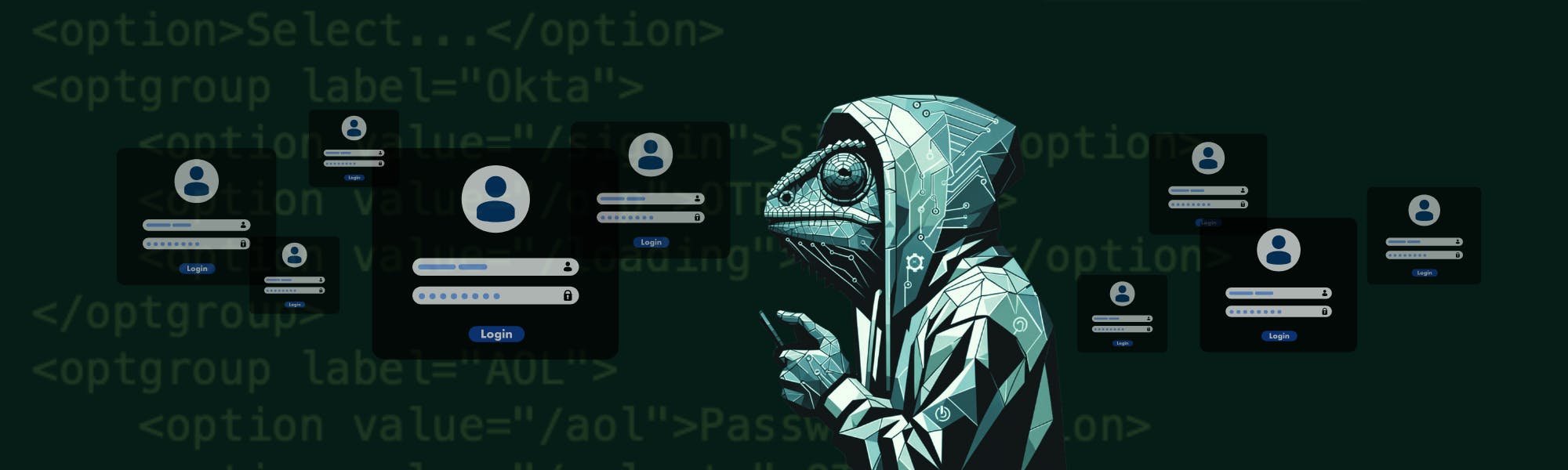
CryptoChameleon: New Phishing Tactics Exhibited in FCC-Targeted Attack
Lookout recently discovered an advanced phishing kit exhibiting novel tactics to target cryptocurrency platforms as well as the Federal Communications Commission (FCC) via mobile devices.
3 min

news
Mar 13, 2024
BlackCat ransomware shuts down in exit scam, blames the "feds"
The BlackCat ransomware gang is pulling an exit scam, trying to shut down and run off with affiliates’ money by pretending the FBI seized their site and infrastructure.
2 min